
William Shatner’s A Twist in the Tale – Plot Synopsis: The Duellists
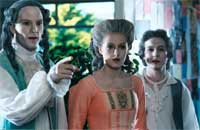
Beneath the spreading shade of an ancient, solitary oak, two young men, Tobias Jones and Samuel Crittenden, melt into our vision. They are dressed in late eighteenth-century costume – breeches and shirts – and face each other aggressively, swords in hand. From some distance we hear a woman crying their names – the beautiful Ariadne Blake, running desperately to where the rivals stand. As if her voice was the catalyst the men needed, they begin to duel …
Two hundred years ago Tobias and Samuel both lost their lives in a bid to win the hand of Ariadne – who loved neither. Now, once a year, on the anniversary of the tragedy, the ritual of hate is played out again, and the fruitless battle waged with Ariadne once more helpless to avert it. Always before the duel has been unobserved; but this year things are about to change …

… Ben Garfield (13) has only one thing in common with the school bully, Darren: their mutual interest in the pretty and feisty Zoë (also 13). The children are being taken on a training run by their coach and mentor Chris Hayward when Darren trips Ben up – and the class runs on, leaving him behind. Winded and breathless, Ben literally does not believe the evidence of his own eyes when the ghosts fade into being before him.
The ghosts have always been bound to the site of the oak tree itself, but when they are seen, for the very first time, by a living person, they find that they are able to leave it. Samuel has an idea: if they could possess real bodies once more, they could settle the feud once and for all. Ariadne is alarmed by the implications, but Samuel and Tobias don’t wait around to listen to her objections – they melt into the air in hot pursuit of Ben.
Tobias makes the first move – and finds that he can indeed infiltrate another human being, though it’s tough work. (Ben – bewildered by the momentary takeover – would no doubt agree.) It’s settled, then: the duellists will choose appropriate hosts, and using the humans as instruments, duel for Ariadne for the final time. The situation leaves Ariadne with no alternative but to comply, despite her misgivings: unless she chooses a corporeal form for herself, she will be powerless to avert another pointless tragedy. Having followed Ben to school, the interlopers look around them. Samuel chooses Darren as his victim, and Ariadne, Zoë.
But at the fateful moment, Darren and Zoë change places in the crowd – and Samuel’s ectoplasm enters Zoë’s body, and Ariadne’s, Darren’s. Tobias, who was heading for a larger and more aggressive host than poor Ben, is drawn helplessly back to his first choice: having once entered a human psyche, the ghosts are bound to that one and that one only.
So the two duellists are now embodied in Ben and Zoë – and the sweet feminine mediator, in the hulking bully Darren. The scene is set for some ludicrous mismatches – and great bewilderment for the unwitting human hosts – until the children can figure out what is happening and how to take control of their own bodies again …
… But the only way to achieve that is to effect a reconciliation between the ghosts – and it takes the very real danger of losing both Darren and Ariadne forever before Samuel and Tobias come to their senses, and in setting the children free once more, free themselves.